-
How to Invest in Stocks: A Practical Guide for Beginners
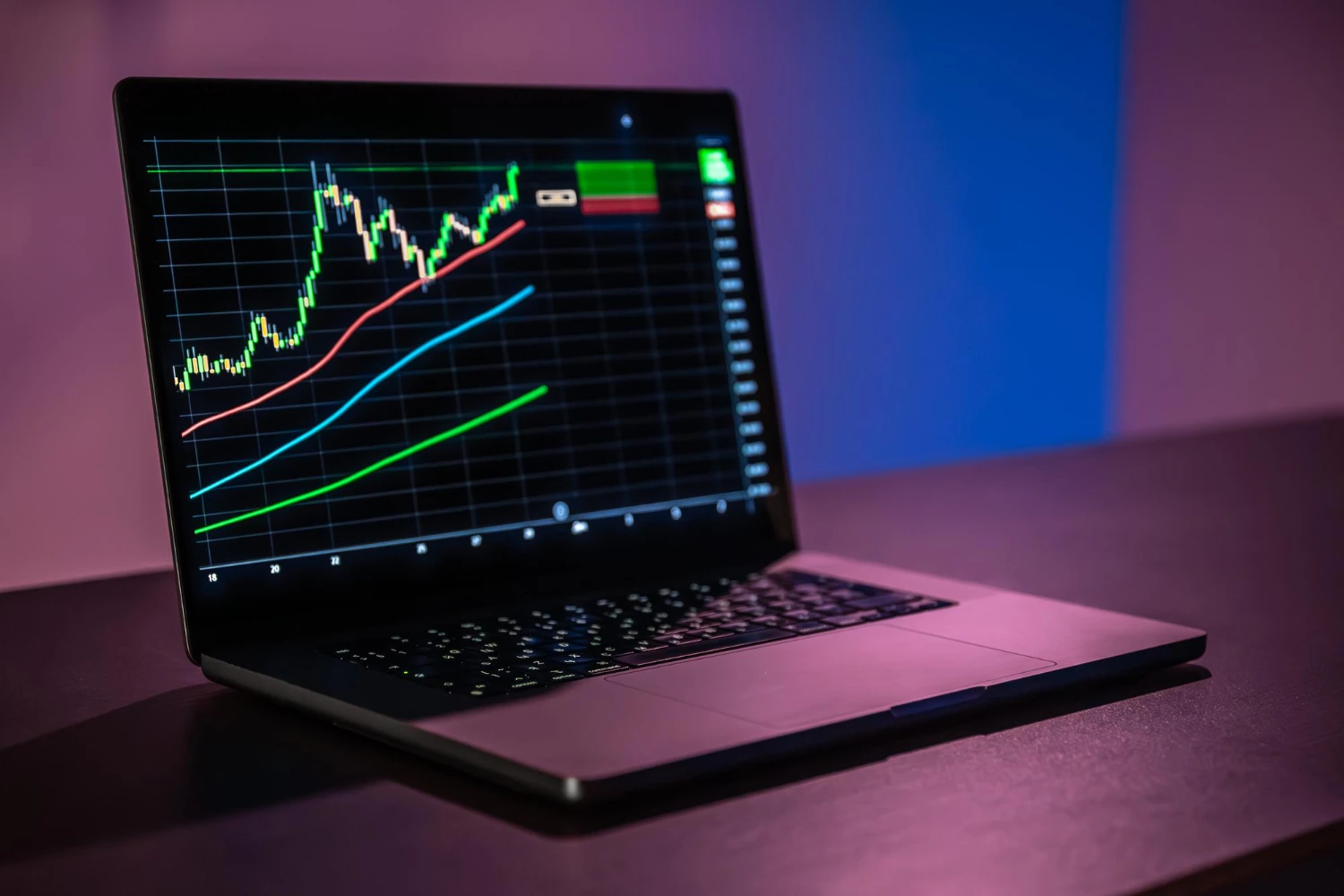
Investing in stocks means buying ownership stakes in companies. When you buy a stock, you’re purchasing a small share of that company’s assets and future earnings. If the company grows and becomes more valuable, your shares are worth more. If it struggles, they’re worth less. That’s the fundamental proposition: you share in the company’s fortunes.…
-
Circular Economy: What It Is, How It Works, and Why It Matters for Sustainability
A circular economy is an economic model designed to eliminate waste by keeping materials, products, and resources in use for as long as possible. Instead of the traditional take-make-dispose pattern, a circular economy aims to close the loop: products are designed to be repaired, reused, remanufactured, and eventually recycled back into the production system. The…
-
Supply and Demand: How the Foundational Law of Economics Actually Works
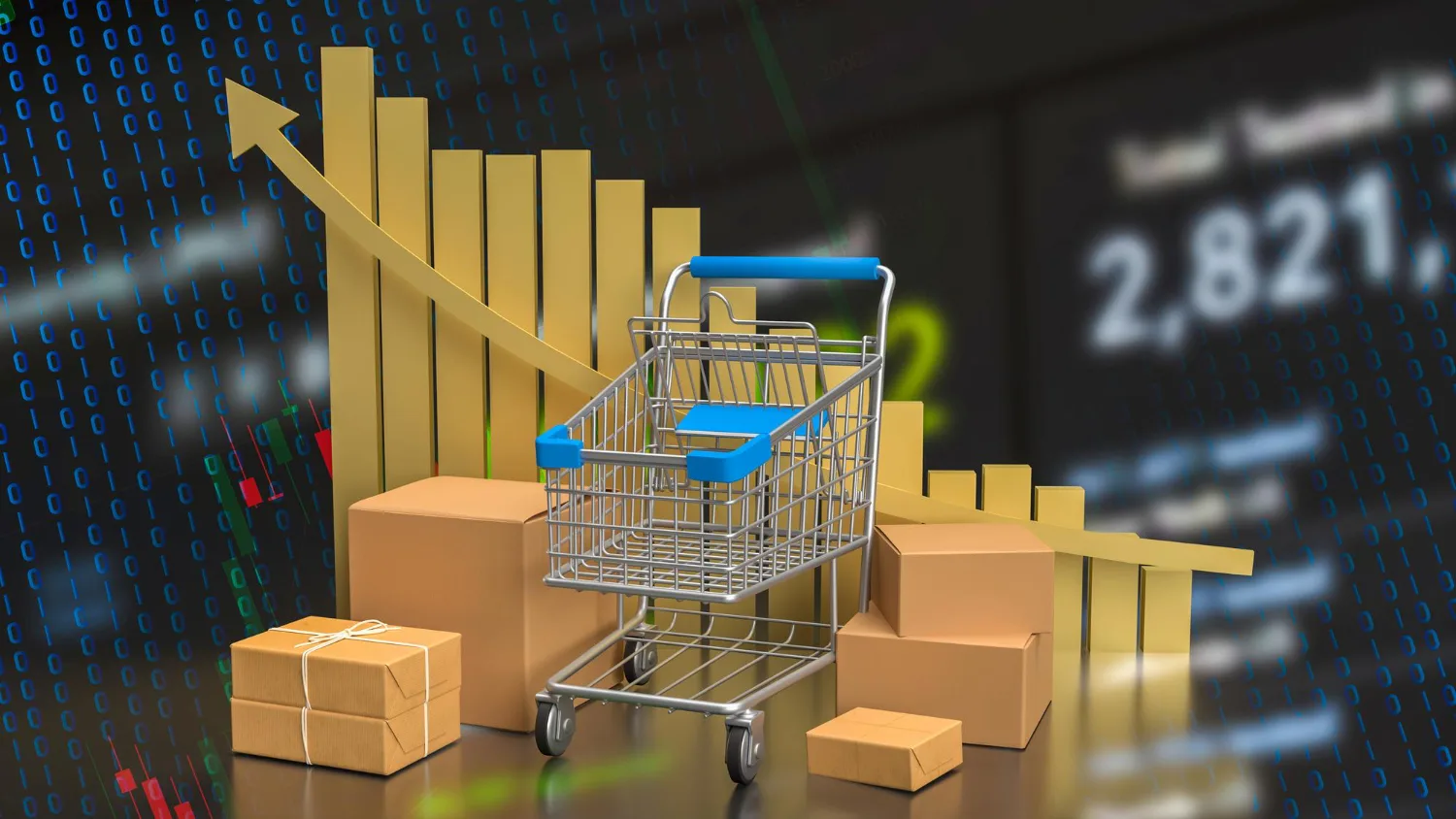
Supply and demand is the fundamental mechanism that determines prices in a market economy. When demand for something rises and supply stays the same, prices go up. When supply increases and demand doesn’t, prices fall. Those two sentences summarize the law of supply and demand. What they leave out is how subtle, dynamic, and sometimes…
-
Gold Backed Currency: How the Gold Standard Worked and Why the World Moved On
A gold-backed currency is money whose value is directly tied to a fixed quantity of gold. Under this system, paper money isn’t just a promise; it’s a claim on a specific amount of gold held in reserve. Anyone holding a dollar bill could, in theory, exchange it for gold at a fixed rate. That was…
-
UBI: What Universal Basic Income Is, How It Works, and What the Evidence Shows
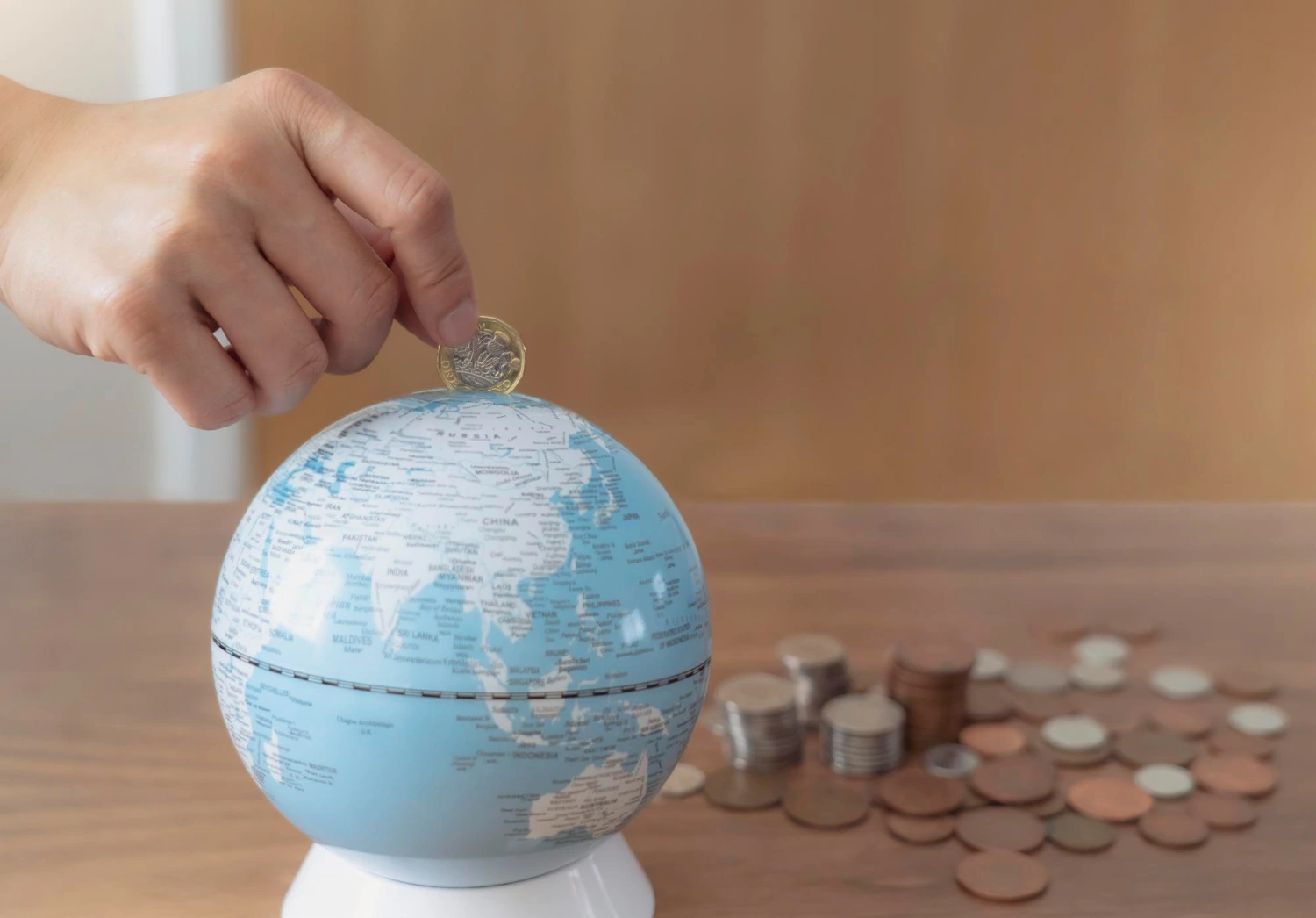
Universal basic income, or UBI, is a policy proposal in which every adult citizen receives a regular, unconditional cash payment from the government, regardless of employment status, income, or any other qualifying criteria. No means test. No work requirement. Just a fixed amount, paid to everyone. UBI has attracted supporters from across the political spectrum…
-
What Is a Recession? A Clear Guide to Causes, Effects, and How Long They Last
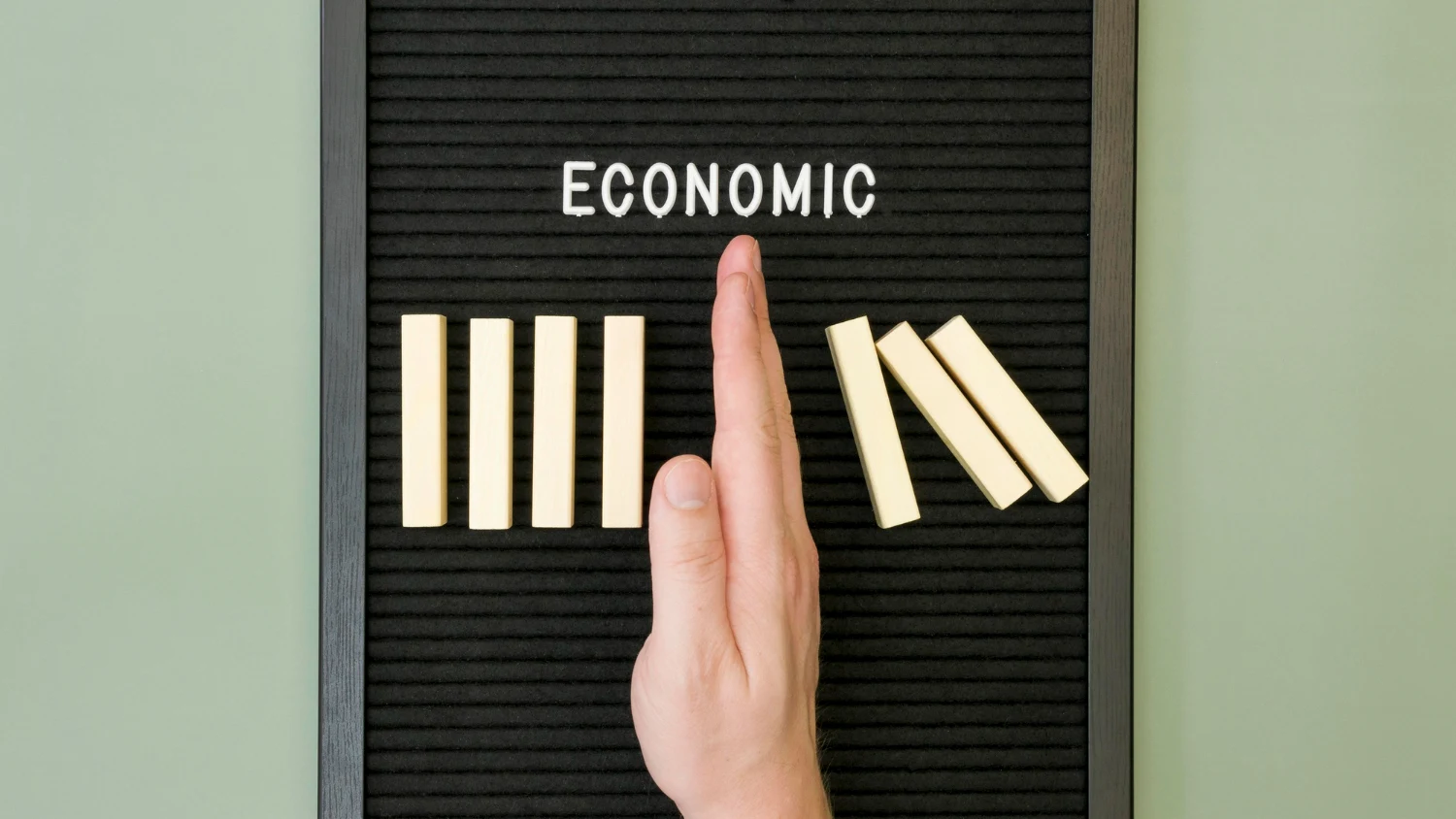
A recession is a significant, widespread, and prolonged downturn in economic activity. Most people first encounter the definition in terms of GDP: two consecutive quarters of negative growth. That’s a common shorthand, but it’s not the official definition in the United States, and it misses a lot of what makes a recession feel real on…
-
What Is a Gig Economy and How Is It Reshaping the Way People Work?

The gig economy is a labor market built on short-term contracts, freelance work, and on-demand services rather than permanent employment. In a gig economy, workers are typically paid per task or project instead of receiving a steady salary. Think of Uber drivers, Fiverr freelancers, TaskRabbit workers, and DoorDash couriers. The ‘gig’ is the unit of…
-
What Happens When Interest Rates Rise and How It Affects Every Corner of the Economy
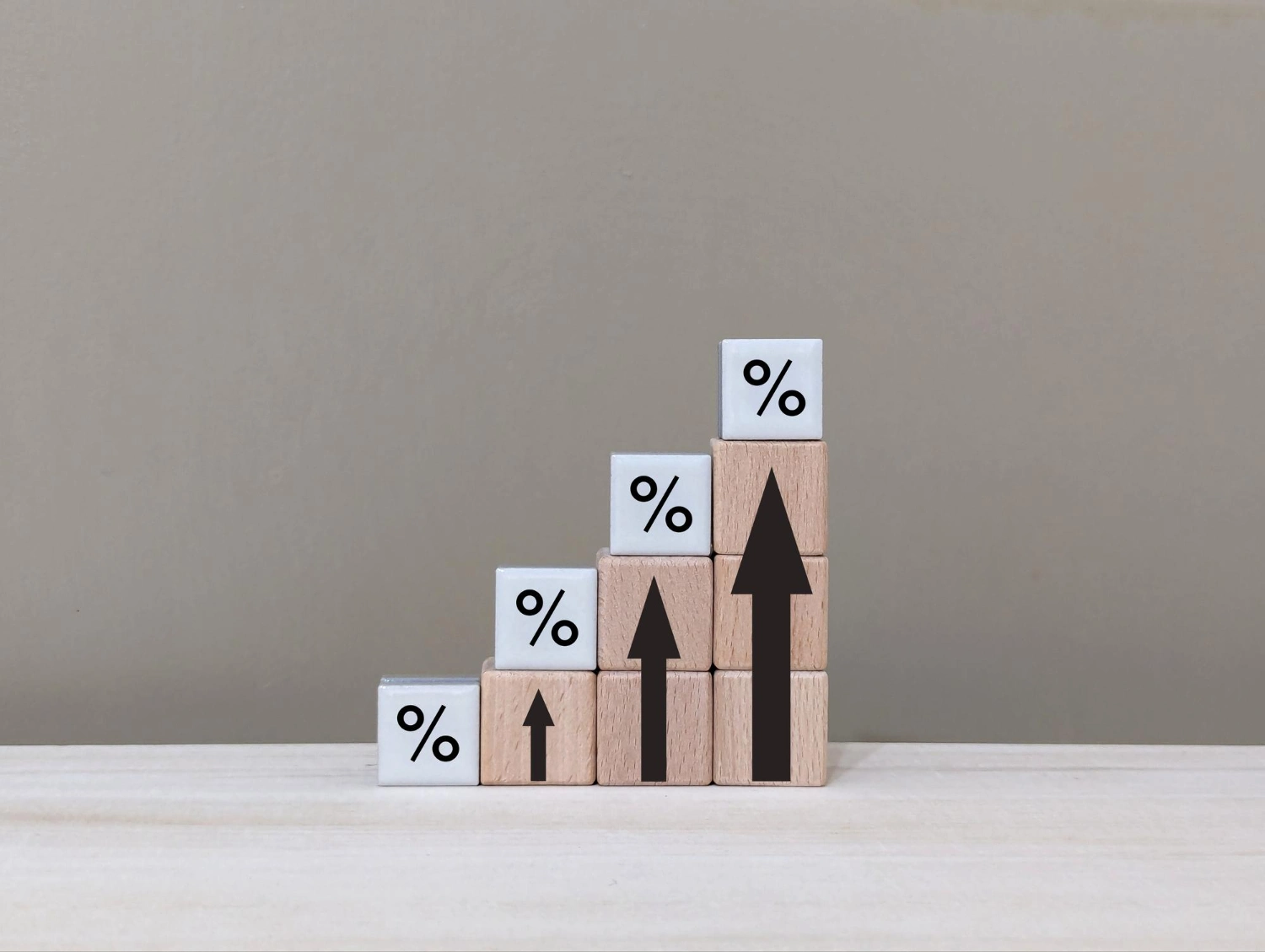
When interest rates rise, borrowing becomes more expensive across the entire economy. That simple shift sets off a chain of consequences that touches mortgages, credit cards, business investment, stock markets, and international trade. It’s one of the most powerful tools a central bank has, and understanding it explains a lot about why economies move the…
-
What Does Gross Domestic Product (GDP) Measure and Why Does It Matter?
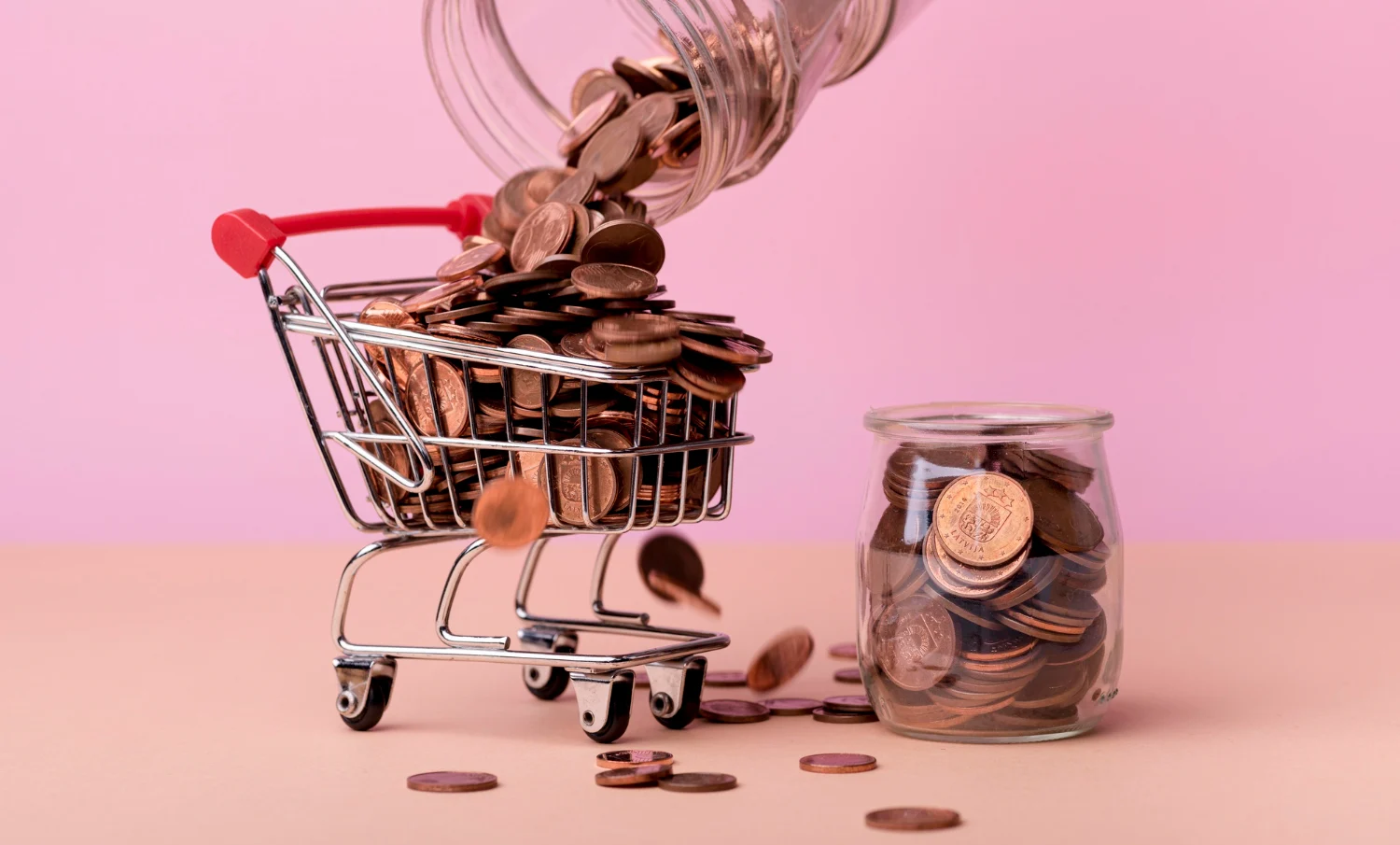
Gross domestic product, or GDP, is the total monetary value of all finished goods and services produced within a country’s borders during a specific period, usually one quarter or one year. It’s the single most widely used measure of economic output in the world. When headlines say ‘the economy grew 2.4% last quarter,’ they’re talking…
-
Inflation vs Deflation: What They Mean and Why the Difference Matters
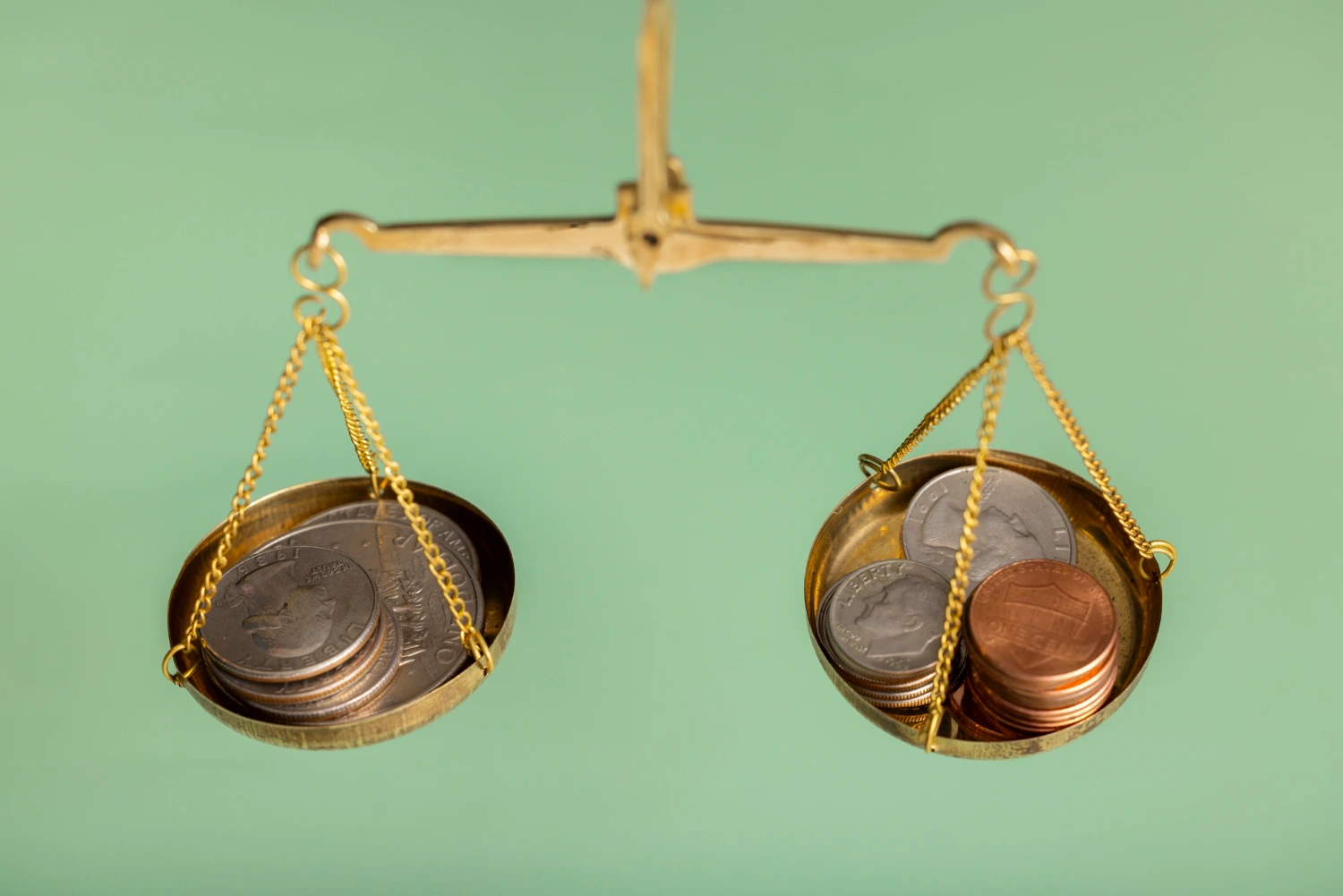
Inflation and deflation are two opposite forces that shape every economy on earth. Inflation means prices are rising over time; deflation means they’re falling. Both sound simple enough. But their real-world effects, especially on jobs, debt, spending, and long-term growth, are anything but simple. Understanding the difference between inflation and deflation is one of the…